The Making of Sydney
THE STORY OF HOW A CITY WAS BUILT ON OPPORTUNISM, PRAGMATISM, INTERVENTION AND GREED.“European Australia was born modern – a product of both the Industrial Revolution and the Enlightenment. From the outset, it was driven by the restless drive for material prosperity, territorial expansion, mass migration, knowledge and technological progress – the key markers of global capitalism.”
— MARK McKENNA
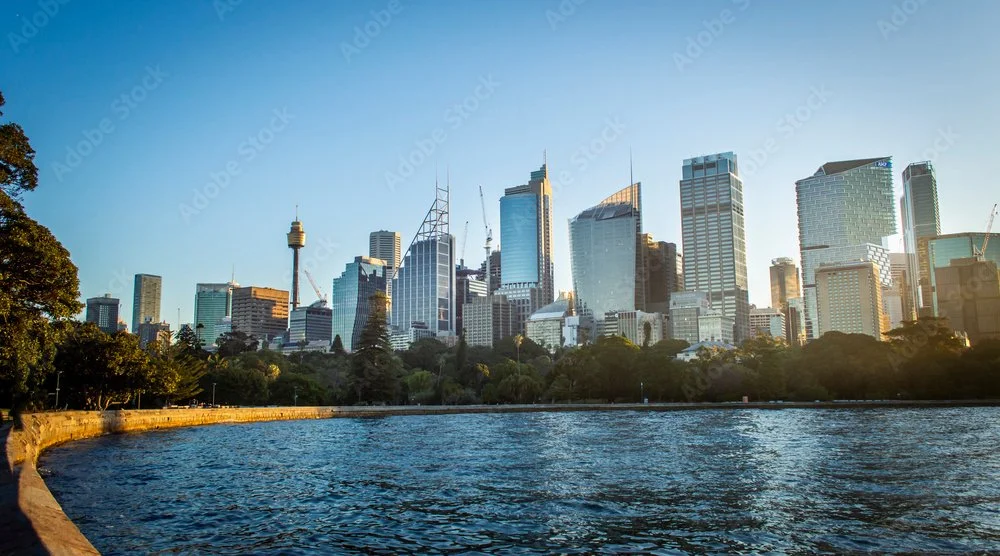
Sydney began as a distant penal outpost and grew, over two centuries, into a global city — shaped less by design than by chance decisions, self-interest and interventions. This book traces that transformation, from the first landings at Warrane in 1788 to the metropolis of today.
The Story
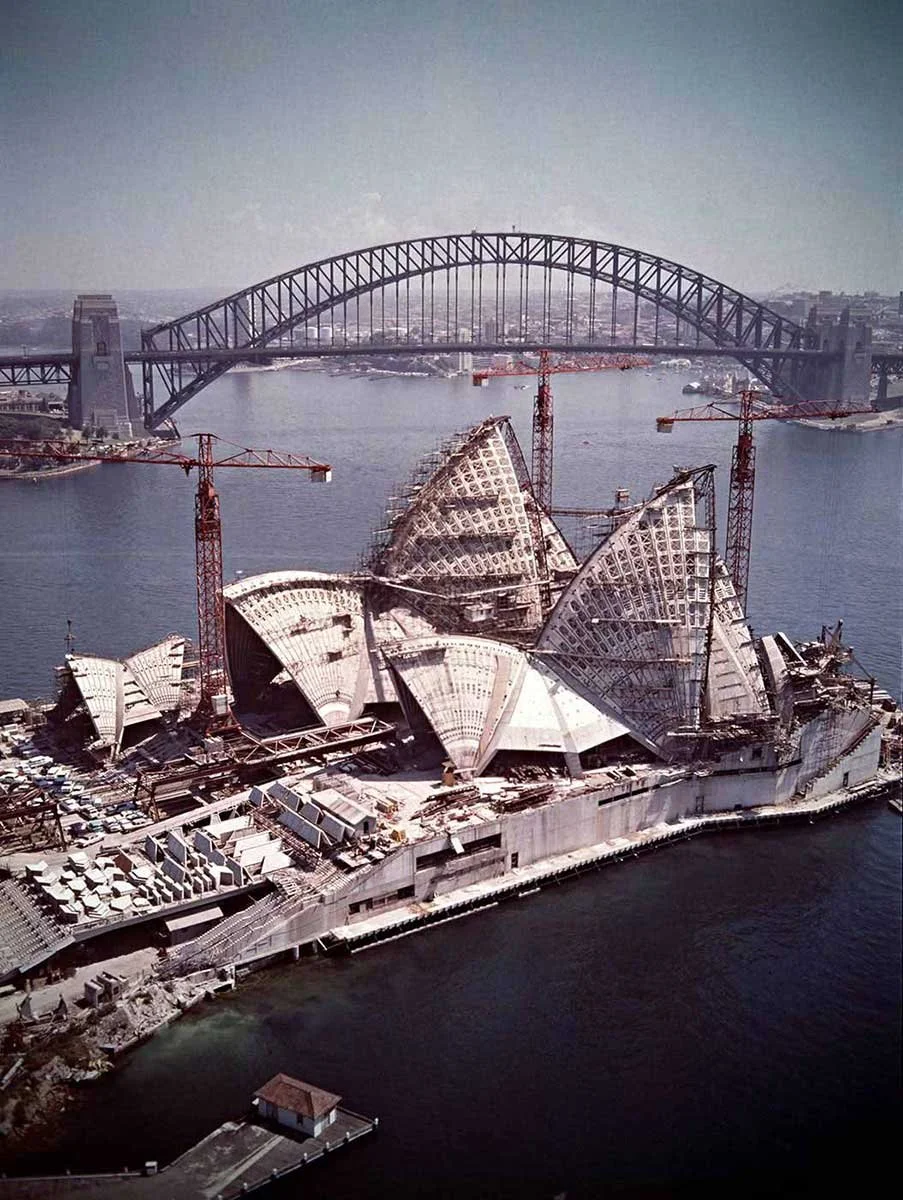
Fourteen chapters trace Sydney’s arc: from a distant convict camp, to colonial town, from Victorian city to modern metropolis. Mapped in detail through the growth, upheaval and renewal that carried it into the 21st century.
Core Themes
Opportunism: chances seized by settlers, speculators and governments alike
Pragmatism: solutions built from necessity rather than grand design
Intervention: planning and government decisions that redirected the city’s growth
Greed: land and profit as constant drivers of change
The settlement was to be a penal camp, a frail colonial fortress and a type of prison of no built walls, only those of distance and mystery, with an expectation of servility and punishment. And, a glimmer of thought for personal remediation, the opportunity of a new life, and perhaps even prosperity.
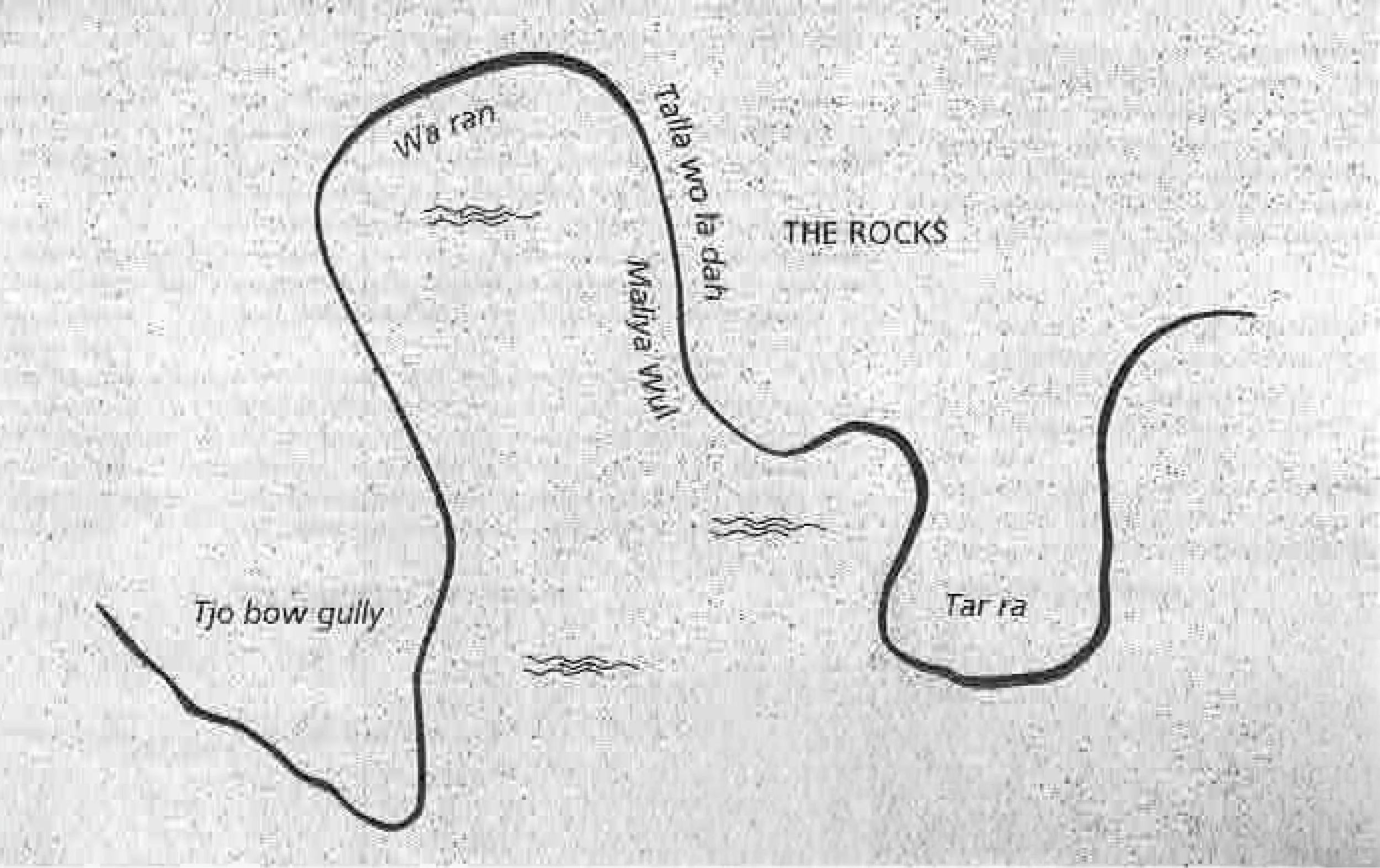
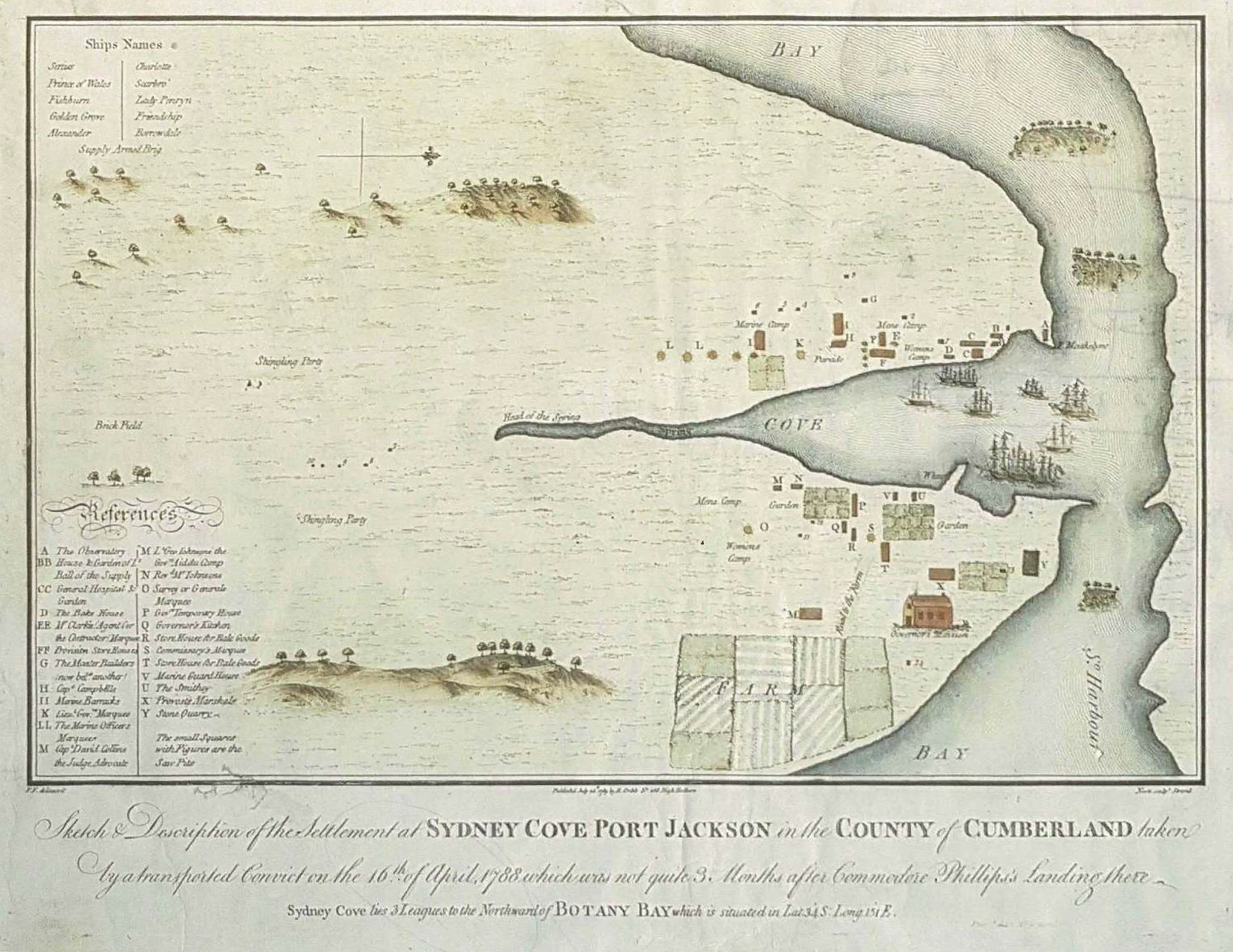
In 1788, Captain Arthur Phillip brought the First Fleet into the cove known by the First Nations people as Warrane – a place of special significance. French ships were close by, France was in internal turmoil, Spain ruled California, the East India Company was running rampant over India. With its miscreant population and supervising military, Sydney’s first day of settlement saw a far larger place than the nascent city of Los Angeles.

English gaols had been considered as holding pens for miscreants and worse. There was a policy of transportation – a form of eugenics – exporting convicts since Tudor times, to the American Colonies. As a solution, it was cheap, responsibility was transferred, and convicts were sold for a period of time depending on their crime – a ‘part life’ in slavery. The American War of Independence (1775-1783) had ended that program. A new place of productive banishment was urgently needed, more so as the pace of rural refugees flooding into the British cities, driven by ‘land reform’ and the impacts of the industrial revolution. In the crowded cities with little space and few jobs, crime was a way of life – some for survival, some wilful; there was also a need to ‘dispose of’ the like from other colonies; from India, Canada and Cape Town. As a codicil, both Britain and India sent disaffected personnel to the Andaman Islands into the mid-19th Century. The convenience of eugenics (one interpretation can be slavery) was abroad and the strategic benefit to a global power (of occupying land in the remote Pacific) was not lost.
In the beginning, the choice of continent was purposeful; Australia had been mapped and ‘annexed’ by the British explorer Captain James Cook in 1770. The next decision, to build ‘place’ on that opportunity was a most outrageous one – the other side of the known world, over 17,000 kilometres ‘as a crow flies’ from the British Isles to a land that was unknown except for a cursory glance, a single visit, a place certainly not understood.
The decision was as outrageous, as much as it demanded a maritime feat. To the British in the 18th Century everything seemed possible; so, it seemed simple to the Admiralty, with the supreme confidence of a maritime empire. The purpose was clear, it was in the ‘orders’. Getting there was obvious (follow the stars), finding the place Botany Bay, as mapped by Cook, was considered achievable.
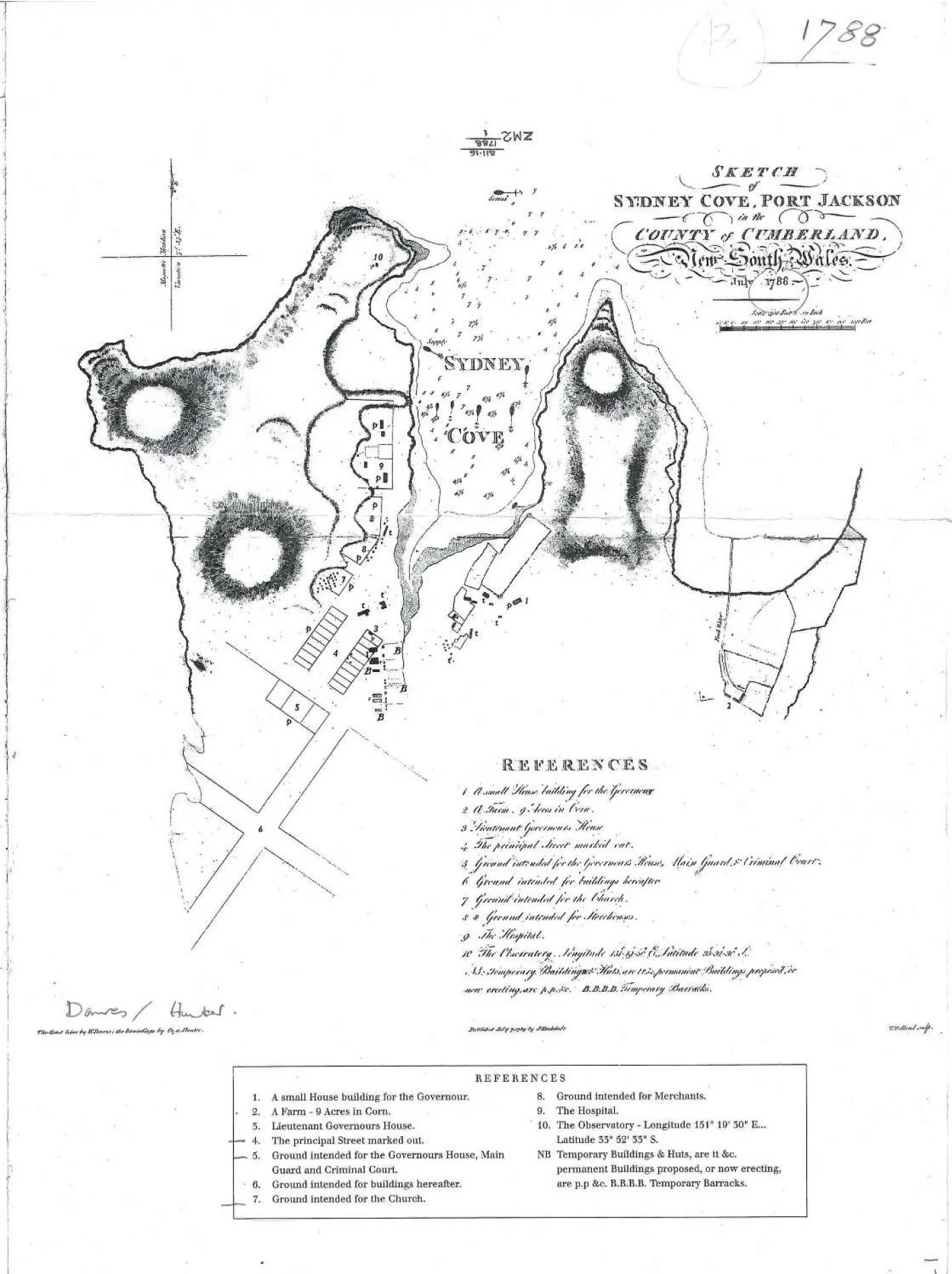
In a speech to the British Parliament on 23 January 1787, King George lll officially announced a plan to establish a penal settlement “12,000 miles” away at Botany Bay. A year later, after pausing in ‘unsuitable’ Botany Bay, 5 days later, on the 26 January 1788, the long boats from the First Fleet found the place that was to become Sydney – “For a settlement they selected a deep wooded cove eight kilometres from the heads…. Its advantages included deep water close to the shore and a running stream of fresh water” and with seemingly no one ashore to resist. The site was found suitable by Captain Phillip and his fleet of 11 ships with over 1000 people looking for a place to be, to serve time, unsure about making a real place; at least that is what was in the orders. The orders also instructed that the First Nations people be treated well, and Phillip would abide by this.
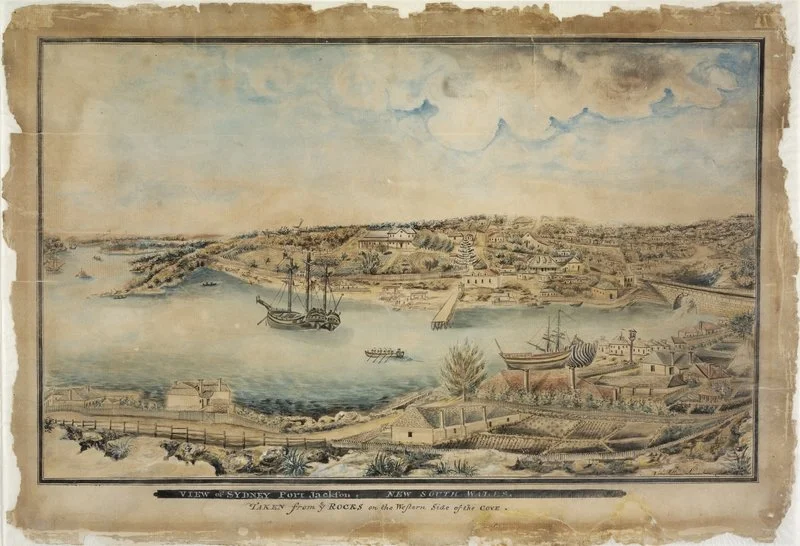
There are a number of unknowns and conundrums. The first is, did Phillip ‘know’ of what Captain Cook had called Port Jackson? The second is, if the words “terra nullius” were used, why did the orders talk about taking care to deal with the ‘natives’ or ‘indians’ when they knew they wanted to colonise the land? The British had no template or plan for a settlement, unlike the Spanish who had a formula, a model of a fort, a church and residential square.
The British only had a military corps for safety and tools to build what – a town or a prison? The establishment of the colony was done in the British tradition; the establishment of commerce to drive a future was done by personal greed and outrageous disregard for authority.
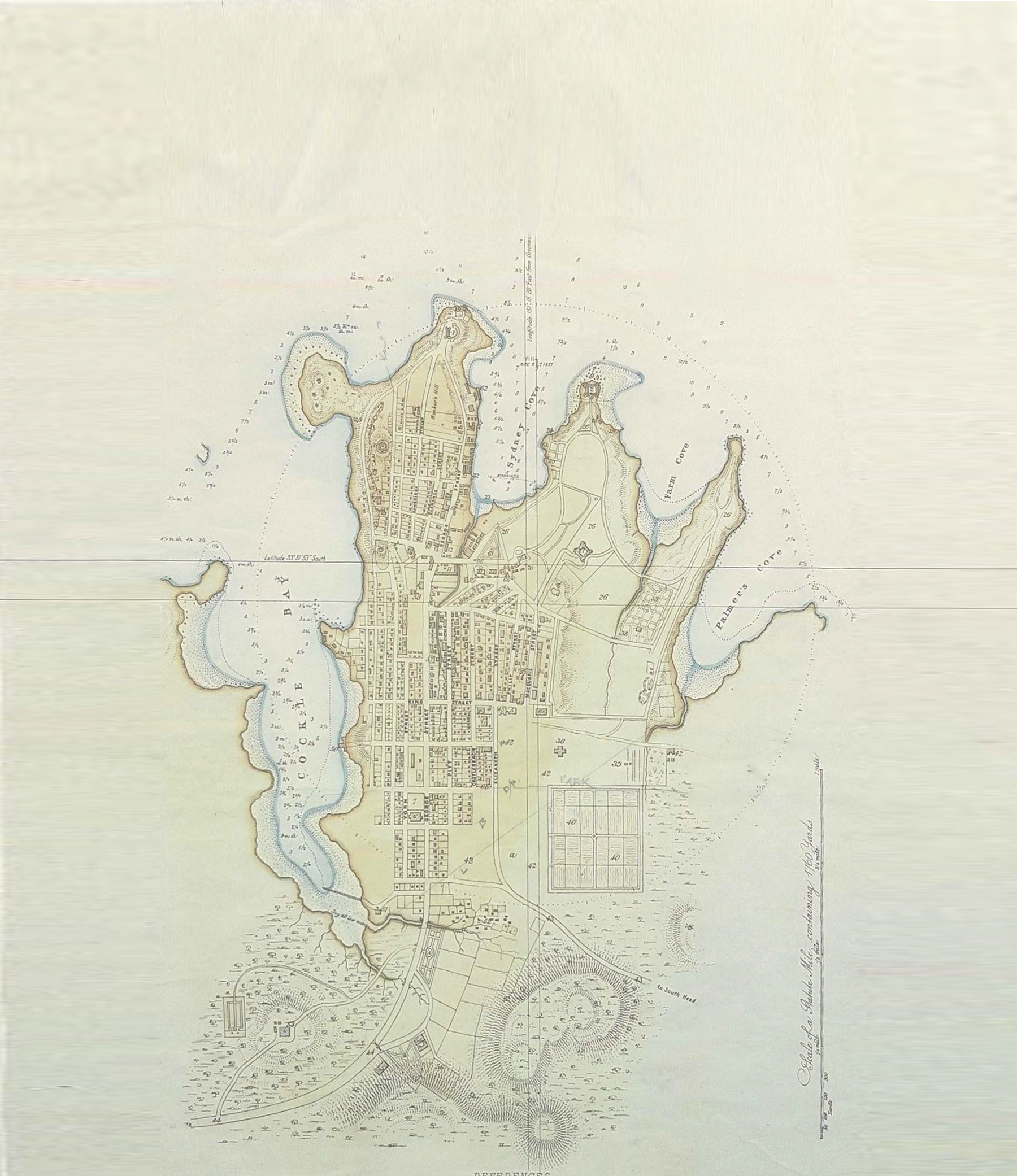
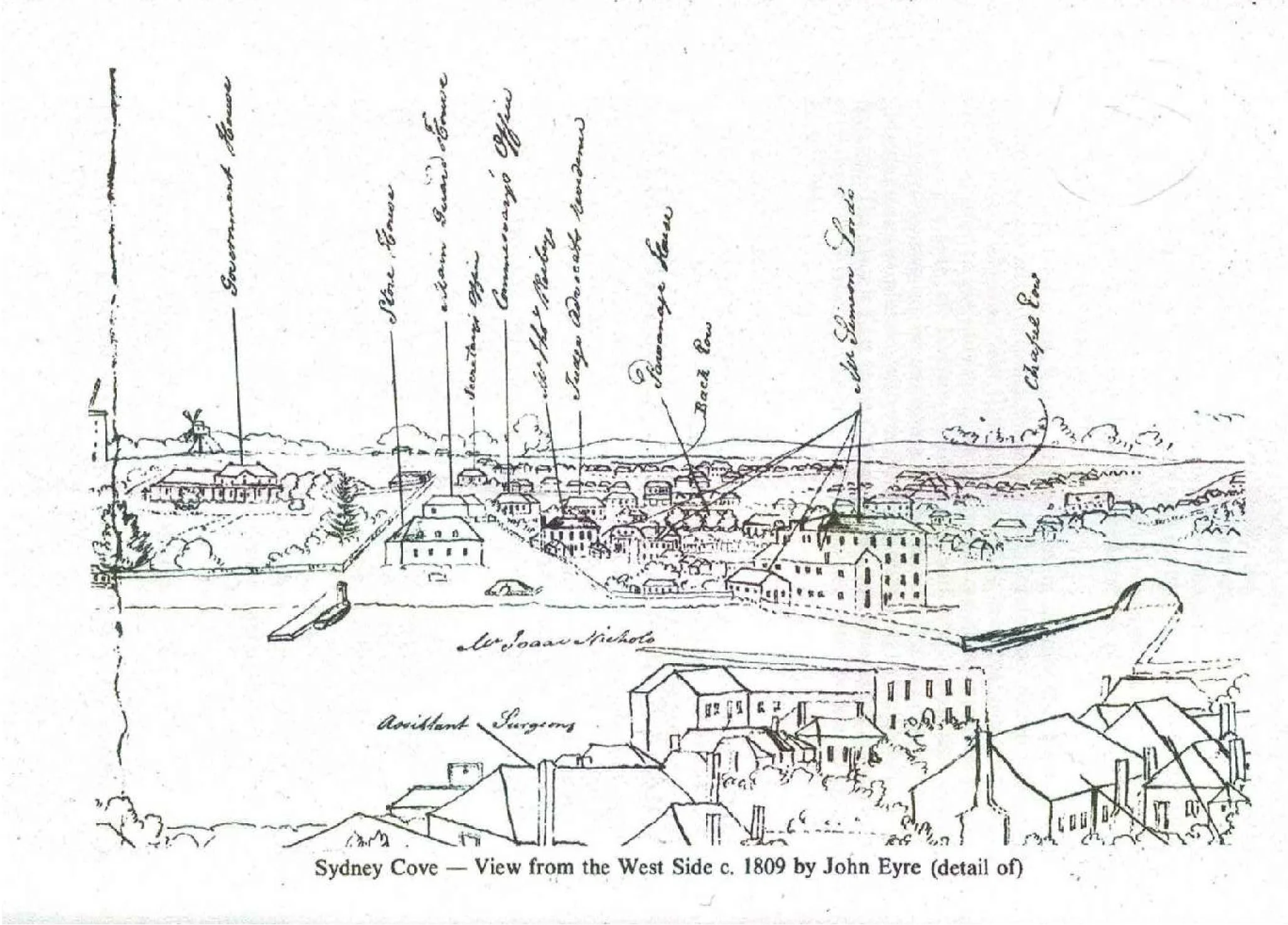
Land was wealth, and the British took sovereignty over it and started what would become a great city. This land lust has continued, and the city has proved to be a developer’s playground. This is the subject of this book – The Making of Sydney, which covers Governor Phillip’s original settlement, now the central business district of Sydney.